
-

What Mark Zuckerberg Gets Wrong About Masculine Energy in the Workplace
Mark Zuckerberg’s recent comments on Joe Rogan’s podcast that “a lot of the corporate world is pretty culturally neutered” and could benefit from more “masculine energy” sparked a conversation that feels straight out of a dystopian satire. This notion of injecting more masculinity into leadership isn’t just eyebrow-raising—it’s a glaring reminder of how skewed our perspectives on power in leadership have been for, well, forever—and felt more strongly as of late. Let’s unpack this wild idea and ask the obvious: Did we ever come close to experiencing “feminine energy” in leadership, especially when most CEOs and leaders are white men?
-
How to Recognize and Mitigate Bias at Work
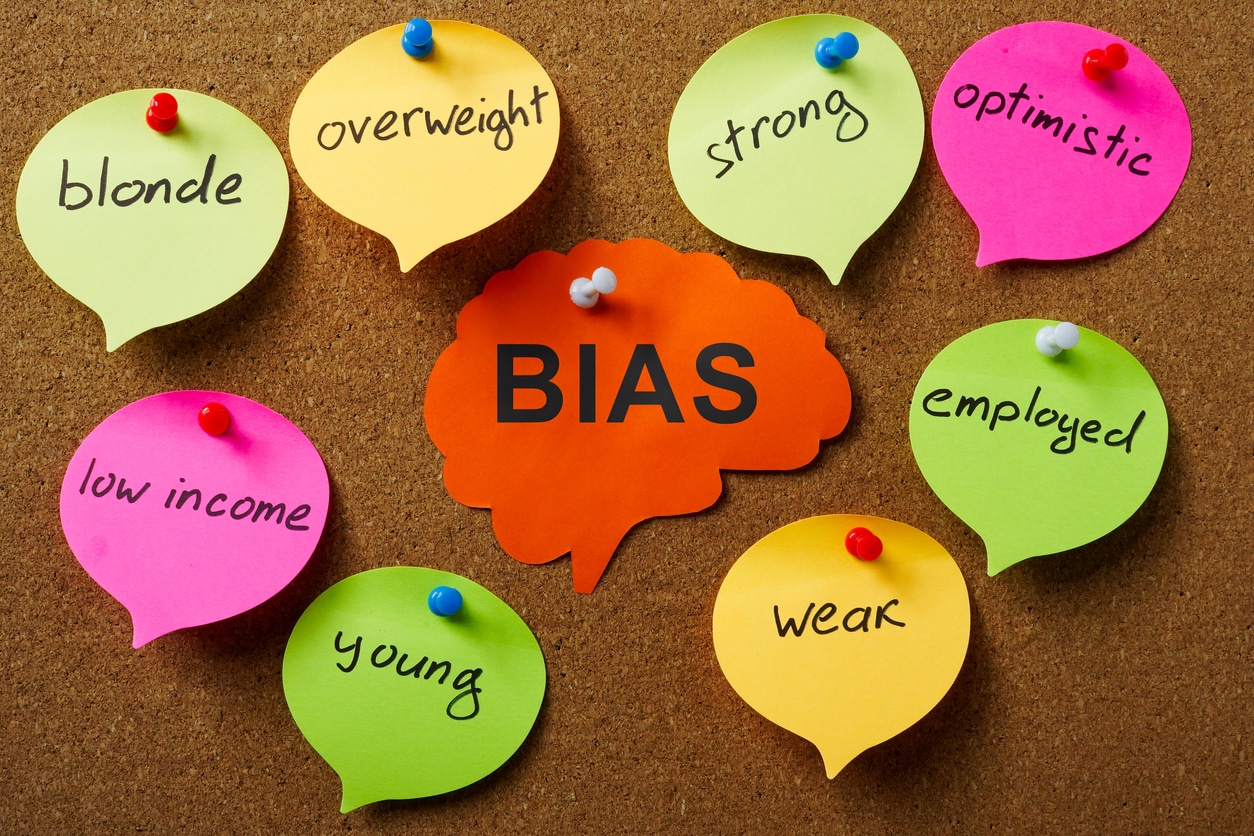
Bias is a subtle but powerful force shaping how decisions are made, relationships are formed, and opportunities are distributed in the workplace. It often operates beneath the surface of our awareness, influencing actions in ways that can undermine fairness and inclusivity. Tackling bias doesn’t require sweeping overhauls or complicated systems—it starts with understanding what bias is and cultivating a mindset of curiosity and action to interrupt it in real time. What Is Bias and Why Should We Care? Bias, at its core, is a preference or inclination that affects judgment.
-

Seven Actions Employees Can Take Through DEI Shifts
The reversal of diversity, equity, and inclusion (DEI) efforts in some organizations has evoked a range of emotions—frustration, relief, confusion, and everything in between. For many employees, it’s disheartening to see progress stall. Yet, for others, particularly those who felt sidelined during the rise of DEI initiatives, this shift may come as a source of validation or even excitement. This dynamic underscores an essential truth: Power dynamics in the workplace are never static. Over the past few years, employees with marginalized identities experienced some degree of power as their perspectives were centered and inequities were addressed.
-

Why Soft Skills Matter in the Workplace
Soft skills are often misunderstood. The term “soft” suggests they’re secondary or easier to acquire than technical, “hard” skills. But anyone who has navigated a complex team dynamic, mediated a conflict, or guided a group through change knows the opposite is often true: soft skills are among the hardest to develop. Their importance, however, cannot be overstated. As workplaces grow more collaborative and complex, the demand for these skills is higher than ever. Yet, many organizations struggle to integrate soft skills into their cultures effectively. What Are Soft Skills and Why Are They Important?
-

Addressing Conflict at Work with Clarity and Care
Conflict at work is inevitable. Whenever people with unique perspectives and differing experiences collaborate, tensions can arise. The goal isn’t to avoid conflict, it’s to navigate it effectively. Healthy conflict can lead to innovation, stronger relationships, and better decision-making. The key is creating a culture where disagreements are seen not as threats, but as opportunities to grow together. In this post, we’ll explore how to address workplace conflict through an inclusive lens, offering real-world scenarios and actionable strategies for leaders and teams. Why Conflict Happens at Work Conflict typically arises when people’s values, priorities, or communication styles clash.
-

What Inclusion in the Workplace Really Means
Inclusion is the intentional effort to create and transform workplaces into spaces where everyone—regardless of their background, role, or perspective—feels like they have a place and a voice. A truly inclusive work environment encourages everyone to contribute meaningfully and supports a culture where everyone feels respected, where people feel heard, valued, and empowered to show up without fear of judgment or discrimination, and where people can express their ideas, engage in dialogue, knowing that their perspectives matter.
-

Hire the Best Candidates: Top Strategies for Inclusive Recruiting
Inclusive hiring practices eliminate biases and provide fair opportunities so that the best, most qualified person gets the job. But how can you effectively implement them? We’ll cover practical strategies such as writing inclusive job descriptions, using nontraditional sourcing methods, and implementing standardized interviews to help you build a workforce that’s reflective of your culture, values, and community. Understanding Inclusive Hiring and Recruiting Inclusive hiring means recognizing the value of different perspectives, experiences, and backgrounds and actively seeking out candidates across a range of demographics: gender, ethnicity, age, neurodiversity, physical abilities, and military service.
-

Inclusive Accountability: A Manager’s Guide to Building Trust and Driving Results
Accountability is one of the most essential aspects of effective leadership, yet it’s often the hardest to get right. Holding yourself and others accountable can bring up discomfort, especially when it involves difficult conversations, power dynamics, or mistakes that reveal vulnerabilities. It’s even more challenging when accountability is mismanaged, leaving employees feeling targeted or unsupported. Inclusive accountability offers a more thoughtful approach, ensuring fairness and transparency while creating a sense of shared responsibility. The Challenges of Accountability The difficulty with accountability often stems from the fear of conflict, uneven power dynamics, and a lack of clarity around expectations.
-

Eight Ways to Recommit to Your Values and Strengthen Company Culture
Every company claims to have values, but how often do those values truly guide actions and decisions? Consider this: a growing tech startup, once lauded for its collaborative culture, faced mounting employee turnover and a declining sense of unity. The culprit? A disconnect between its stated values and everyday practices. By intentionally recommitting to its core principles, the company turned its culture around—and so can you. Whether you’re looking to reinvigorate a once-vibrant culture or build a stronger foundation, here are eight actionable ways to recommit to your values and strengthen your company culture. 1.
-

How to Approach Thanksgiving 2024
Thanksgiving is this week in the United States. As we’ve been doing for the past few years, we’re approaching this holiday as our annual opportunity to rethink what, how, and why we choose to celebrate this holiday season. To read a collection of our thoughts on this holiday from the past few years, you can do so here: For many folks this year, Thanksgiving may be a time of trepidation. The results of the U.S.
-

How to Communicate Your Commitment to Employee Well-Being
Commitment to employee well-being has transcended from a mere organizational benefit to a fundamental pillar of sustainable business success. Effectively communicating this commitment is paramount because it not only promotes trust and engagement but also enables a culture where employees feel valued and supported. Let’s dive into actionable strategies to articulate and embody your dedication to employee well-being, ensuring it resonates authentically throughout your organization. Communicating your commitment to employee well-being in 2025 requires intentionality, authenticity, and consistent action.
-

How First-Time Managers Can Encourage Open Dialogue
Stepping into your first managerial role can be exciting, and also a bit intimidating. You’re not just responsible for your own work but also for guiding a team toward success. Unfortunately, 85% of new people managers don’t receive any formal training, even though you’re essentially learning a completely new skill – not the one you were hired for. One critical component of leading a team is creating and supporting an environment where open dialogue becomes the norm. This isn’t easy, considering trust is a problem for many companies.