
-
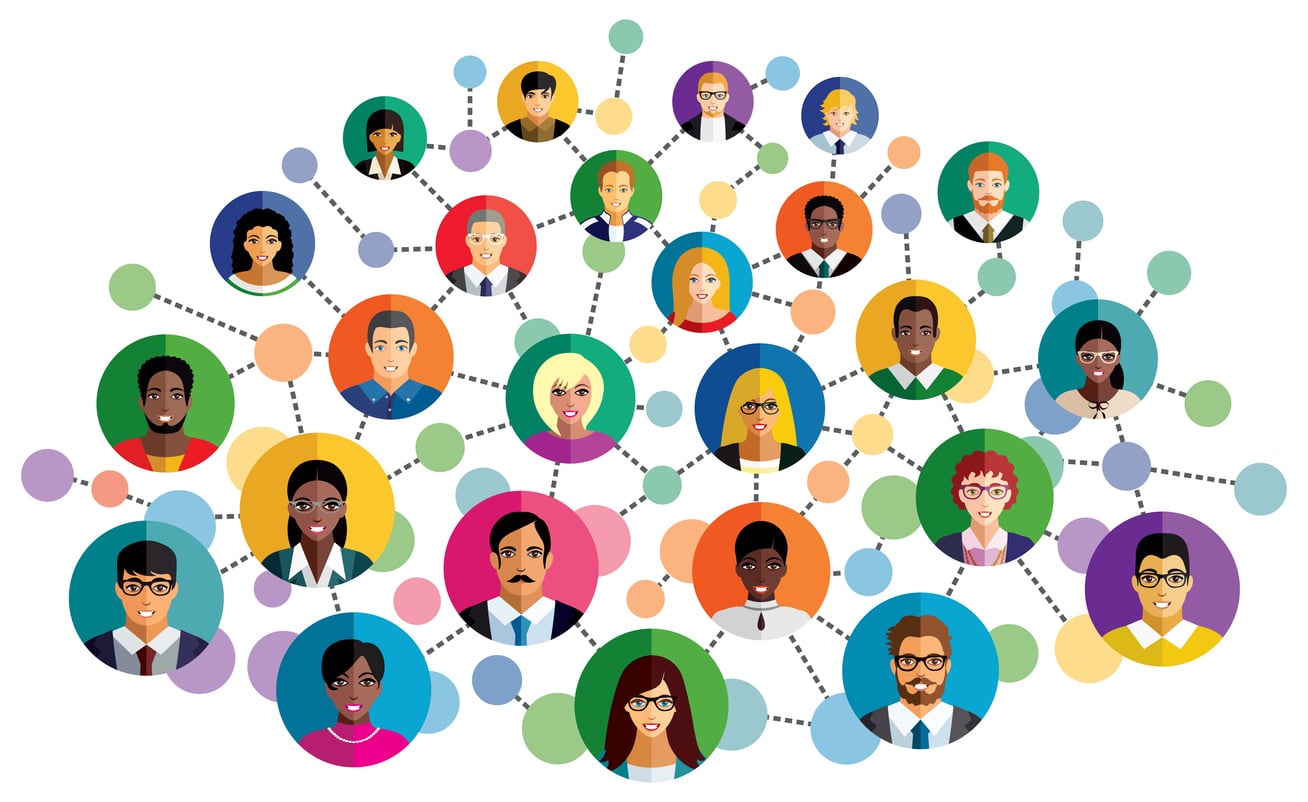
What is an Affinity Group and Why are They Essential to a Healthy Workplace?
Making the case for Supporting Employee Resource Groups The search for a truly inclusive workplace is ongoing. Leaders and HR professionals continually seek ways to create environments where every employee feels valued, heard, and empowered to contribute their best. We implement initiatives, organize team-building exercises, and promote a culture of openness and acceptance. Yet, despite these efforts, many organizations still struggle to achieve genuine inclusivity. What if the key to unlocking true belonging lies in an approach that might, at first glance, seem counterintuitive?
-

Workplace Inclusion Lessons from the 2024 Paris Olympics
The 2024 Paris Olympics was a powerful demonstration of diversity, equity, and inclusion (DEI) in action. The games highlighted the strength that comes from embracing differences, challenging stereotypes, and creating a level playing field for everyone. As we celebrate the achievements of these remarkable athletes, here are ways to reflect on the valuable lessons we can apply to our workplaces. 1. The Power of a Diverse Team Difference is our strength Team USA’s success in Paris was a testament to the power of diversity. Athletes on Team USA ranged in age from 16 (Hezly Rivera, gymnastics) to 59 (Steffen Peters,…
-

How to Move from Unconscious Bias to Conscious Inclusion
Unconscious bias can cause significant harm in many workplaces. While often unintentional, its impact on hiring, promotions, and overall company culture can be profound. To counteract this, it’s worth considering a shift to focus from merely recognizing bias to actively building a culture of conscious inclusion. This article will explore the distinction between these two concepts, the challenges involved, and practical steps for employees and organizations to create more equitable and high-performing environments. Unconscious Bias: Understanding the Invisible Barrier Unconscious bias refers to the automatic, often negative, stereotypes or attitudes we hold about individuals or groups without conscious awareness.
-

14 Employee Benefits That Your Employees Really Want
Offering attractive employee benefits is crucial for attracting and retaining top talent. However, there’s often a disconnect between what leadership thinks employees want and what they truly value. This gap can lead to wasted resources and missed opportunities to create a truly engaging and inclusive work environment. Let’s explore some benefits that employees actually want, with a focus on fairness, equity, and inclusivity. 1. Flexible Work Arrangements One of the most sought-after benefits in the modern workplace is flexibility. This goes beyond simply offering remote work options (though that’s certainly important).
-

12 Questions to Ask During Stay Interviews to Keep Top Talent
As leaders, we often focus on exit interviews to try and understand why employees leave. But what if we could prevent departures before they happen? Enter the stay interview, a powerful tool that can revolutionize how we approach talent retention and engagement. Stay interviews are proactive conversations with current employees designed to understand their motivations, concerns, and aspirations.
-

Our statement on the Kamala Harris nomination
We’re writing to you today with a deep sense of profound excitement and renewed commitment to our shared values of equity and fairness in the workplace. As many of you know, Kamala Harris has become the presumptive nominee for the 2024 presidential election. This historic moment marks a significant step forward in our country’s path toward greater representation, equity, and inclusion for all. Equity, diversity, and inclusion in the workplace go beyond simply acknowledging differences. Supporting these concepts involves creating spaces where everyone feels respected, supported, and empowered to contribute their unique perspectives.
-

How to Create a Culture of Meaningful Work in Turbulent Times
The numbers are stark. The sentiment is clear. Our workplaces are grappling with a crisis of meaning. According to Gallup’s State of the Global Workplace 2024 report, only 23% of employees worldwide are engaged at work. Even more troubling, 62% are disengaged, and 15% are actively disengaged. Behind these statistics are millions of individuals who wake up each day feeling disconnected from their work and its impact. But within this crisis lies a call to action for leaders, managers, and employees alike. It’s a chance to redefine how we approach work, leadership, and organizational culture.
-

How Reverse Mentorship Unleashes Inclusive Leadership and Intergenerational Wisdom
Staying relevant in our rapidly evolving landscape is an increasingly important challenge. The solution? It might be right under your nose in the form of your youngest team members. Welcome to the age of reverse mentorship, where traditional hierarchies are turned on their heads, and leaders become learners. While not new, this concept is gaining traction and for good reason. Reverse mentorship is a powerful tool for encouraging inclusive leadership and bridging the generational divide.
-

A Guide to Inclusive Company Retreats
Picture taking part in a company retreat where every single attendee feels valued, heard, and able to participate fully. Where diverse perspectives aren’t just welcomed but celebrated. Where accessibility isn’t an afterthought but a core principle. Welcome to the world of inclusive retreats – a powerful way to build stronger, more cohesive teams and organizations! Many company retreats and team-building events fail to truly embrace all participants. In this article, we’ll explore what makes a retreat truly inclusive and provide actionable tips for organizers, company leaders, and individuals to create experiences that resonate with everyone. What’s an Inclusive Retreat?
-

How to Navigate Employee Resource Group Challenges
If you’re a member or a leader of an Employee Resource Group (‘ERG,’ also known as affinity groups or business resource groups), you know it can be both incredibly rewarding and sometimes a bit challenging. Let’s dive into some of the common hurdles you might face and how to handle them. Balancing ERG Work with Regular Job Duties One of ERG members’ biggest juggling acts is balancing regular job duties with ERG responsibilities. Depending on your organization, you may or may not be able to include participation in or leadership of an ERG as part of your regular job duties.
-
Inclusive Culture is Constantly Evolving
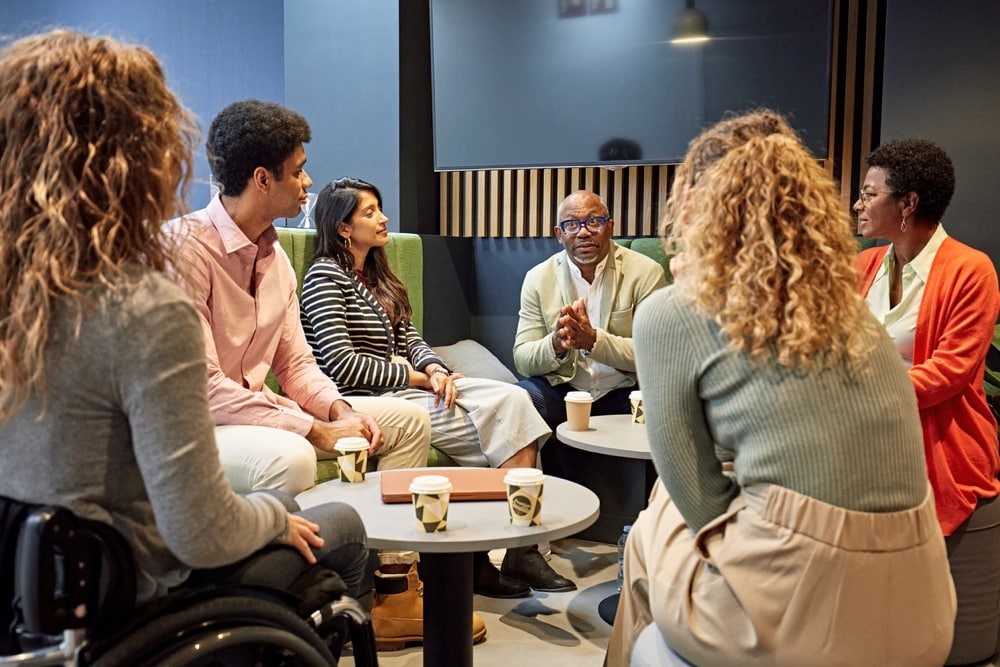
The way we communicate in the workplace is constantly evolving. From the rise of emojis to the shift toward video conferencing, technology and social trends are constantly reshaping how we interact with our colleagues. But perhaps the most significant change in recent years is the growing emphasis on inclusive language. Gone are the days of generic greetings like “Hey guys!” Inclusive language is about creating a space where everyone is treated with respect, regardless of background, identity, or ability. It’s a powerful tool for creating a sense of belonging and building a kind and thriving workplace.
-

Four Waves of Feminism Review: How We’re Transforming the Workplace
Feminism, the fight for women’s social, political, and economic equality, has been a constant undercurrent of history. There are many types of feminism, which are sometimes described as ‘waves.’ Let’s explore the four waves of feminism, examining how these movements have transformed the workplace landscape, and discuss some of the challenges that still lie ahead. Wave One: Chipping Away at the Glass Ceiling (1848-1920) The first wave, born in the 19th century, focused on fundamental rights. Women were largely confined to the domestic sphere and denied the right to vote, own property, or pursue higher education.