
-

Lessons Learned from Target: How to Celebrate Pride Month at Work
Over the past 5+ years we have really seen Pride merchandise, and the corporate celebration of Pride take off. However there has been a lot of discourse on whether the commodification of Pride is a good thing. Can Capitalism really help those who are oppressed, and what good is it to have a rainbow slapped on something like a bottle of mouthwash outside of profit?
-

Yet Another Day of Mourning in America: Thoughts on May 2022
As we sit here the morning after the latest news of horrific, senseless, preventable murders, this time of kids (yet again), and on the second anniversary of George Floyd’s murder, it’s hard to remain optimistic that justice will prevail. When everything you read and see is horrible, but the ‘normal’ world you physically experience day-to-day continues, how can you reconcile the two? How can you continue to function? What’s the point of it all? We’ve been reflecting a lot recently on what having control means in this world of ours.
-

What Is Digital Accessibility and Why Should You Care?
Have you ever thought about digital accessibility? I’ll admit I hadn’t until recently, because digital access hasn’t been something I struggle with. Despite having other disabilities, my awareness gap about digital accessibility is now part of my own allyship journey. Maybe it’s part of yours, too. In fact, digital accessibility is one of the most common awareness gaps when many people are designing digital content. This is because of the common default assumption (typically as a result of unexamined unconscious biases) that all users are non-disabled. Yet, more than one billion people currently experience some type of impairment or disability.
-

How to Avoid Ageism in the Workplace
Did you know that only 8% of organizations include age in their DEI strategy? Both ageism, and its opposite, adultism are prevalent in the workplace. There are five different generations in the workplace today! This presents challenges that need to be addressed within a DEI strategy, because people of all ages in one workplace mean a lot of different people, with different ideas, different histories, different ways of viewing the world, and different assumptions. There are so many ways to negotiate these various differences, which can lead to misunderstandings and miscommunications.
-

What the Working Moms at Your Company Really Want for Mother’s Day
Trigger warning: this post includes first-hand experiences of mental health crises and infant and pregnancy loss. There are additional mental health resources listed at the bottom of this post. If you’re in crisis, please call the National Suicide Prevention Lifeline at 1-800-273-TALK (8255) or contact the Crisis Text Line by texting TALK to 741741. Working moms have been running on fumes for the last two years. Home schooling, juggling Covid-exposure school and daycare closures, paying higher rates for childcare they aren’t able to use, navigating working from home or returning to the office, they’ve all taken their toll.
-

How to Avoid Tokenism at Work
Have you ever entered a room and been immediately made aware of being the “only one” of your type in a group? To be an outlier can feel vulnerable and unsafe — the spotlight is on you, and not in a good way. There is increased risk and scrutiny of every step and misstep.
-

5 Ways to Advocate for Climate Justice at Your Company
With so many competing priorities for organizations, it can be hard to prioritize a problem like climate change that seems so far away. Scientists continue to warn us that the devastating effects of climate change are about to be irreversible, and yet we are not hardwired to make it a priority as we would so many of the other more immediately apparent events. It also feels so big. The truth is, climate change is an intersectional issue, and there are great resources to learn more about climate justice or environmental justice.
-

Calling In Vs. Calling Out: When and How to Use One Approach Over the Other in the Workplace
Receiving, giving, or asking for feedback in the workplace can be horrifying for some of us. We’re not sure whether we should do or say something in the moment, afterwards or at all. It can be even more horrifying when discussing issues related to diversity, equity and inclusion (DEI)! Should we be calling out our manager to tell them that what they just said has sexist undertones? Do we ask our colleagues to further elaborate on a problematic statement they just shared? Will we even be in a place to accept feedback if given? Trust me, I know how you…
-
The TikTok Dilemma for Trans Creators
For many of us, TikTok has become a place of learning new things- new dances, recipes, or crafts. On the other side of that enlightenment, however, is the truth that TikTok can also be a harmful place for folks who are trying to raise awareness for specific identities/communities. As anti-trans legislation continues to pass throughout the nation, more and more content creators are sharing their stories– whether of harm and discrimination, or of their personal experiences. TikTok’s algorithm is always hard to navigate or predict, but once a video goes viral it can open a creator up to hate.
-

Debunking Six of the Biggest DEI Myths and Misconceptions
Diversity, Equity, and Inclusion (DEI) has been joined by Critical Race Theory (CRT) in the zeitgeist these days, and we’d like to spend some time clearing up some myths and misconceptions. Diversity, Equity, Inclusion:You might be wondering, “what is DEI?” DEI is a framework we use for abolishing inequities in the workplace. DEI isn’t a one-and-done solution to fix any problems that may exist. DEI is an all-encompassing concept that explores how we acknowledge, embrace, and support all members of our various communities. And most importantly, DEI is not the same thing as Critical Race Theory (see below).
-
Moving from Autism Awareness to Acceptance in the Workplace
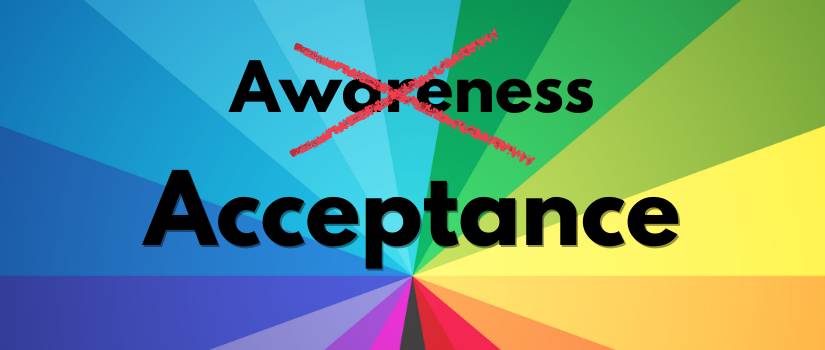
April is World Autism Awareness Month and the Autistic community is asking us to move beyond simple awareness toward Autism Acceptance. The Autism Society established this month to raise consciousness about Autism around the globe. Awareness is the first step, but acceptance and understanding are the goals! I’m writing this as an Autistic person and I think my personal story is an interesting one.
-
Get to Know the Inclusion Geeks Facilitators – Kia Rivera
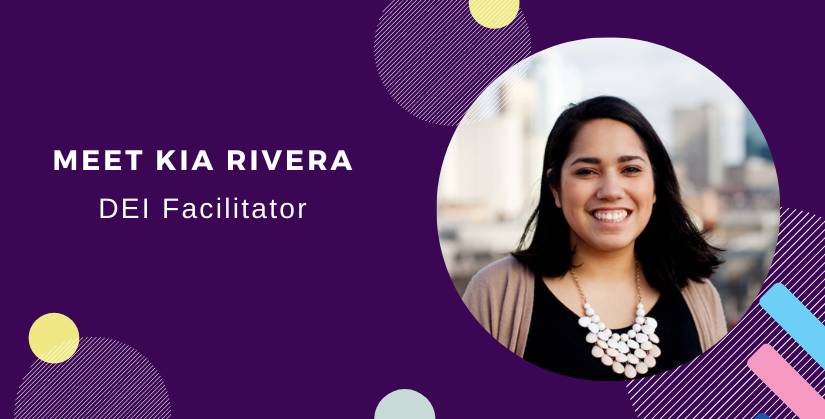
We’re excited to introduce you to some of the incredible DEI training facilitators that are part of the Inclusion Geeks team. We asked them to share what sparked their passion for this work, what DEI means to them, and why they do what they do. Meet Kia Rivera (Sher/her), DEI Facilitator! What does DEI mean to you?It’s tough for me to put into words what DEI means to me because there are so many layers to it. Overall DEI means disrupting the systems and barriers that have been in place for those on the margins.