
-

How to Onboard Inclusively
When we think about inclusivity in the employee life cycle, our minds often immediately gravitate towards hiring. The hiring process is typically well defined, has standard steps along each way, and lends itself well to lists of bias-mitigating tools and tips on what to do (and not to do) to shape a more inclusive and equitable experience. However, one aspect of the employee experience often overlooked among the focus on getting a candidate to accept a job is the onboarding experience. What comes after the offer?
-

How to be a True Advocate for Your Employees
There’s often an unspoken assumption by many that if you’re promoted to manager, you’re going to be good at it. The reality in many cases is that people become managers because they’re really good at their job as an individual contributor and therefore earn promotions managing others who do that same job. Then the manager is tasked with a completely different skill set with absolutely no support. Thankfully there’s been a growing awareness of this problem, but while awareness is one thing, taking action is another.
-

Why Flexibility is Critical for Employees
Since the onset of the Covid-19 pandemic three years ago, much of what we considered “normal” has changed dramatically. In “the before times” (as we call it here at Inclusion Geeks), it was customary to spend upwards of 27 minutes each way to work, stifling moments of road rage while sitting in what felt like never-ending traffic, risking a late arrival for a much-needed latte. Office small talk allowed extroverted employees to get their energy fix by chatting up colleagues about weekend happenings, while introverted folks longed for the niceties to end so they could recharge in solitude.
-

Seven Ways to Support and Increase Women in Leadership
The latest Women in the Workplace Report from McKinsey and Lean In paints a grim picture of the corporate pipeline for women in the workplace. Women continue to occupy an increasingly smaller number of seats the higher up the corporate ladder they go. This means that in many cases, women, particularly women of color, are the Only in spaces dominated mainly by white men. We need increased visibility and support for women in leadership in order to increase their presence at all levels. Here are some ways to achieve these goals: Looking for more ways to be an ally at…
-

What Are Microaggressions and How Do They Show Up?
Microaggressions have been a hot topic term when it comes to DEI work and the workplace. First coined by Harvard professor Chester M. Pierce, the term microaggression described the insults and slights he had witnessed against black folks. In 2007 the word was revived to be used more broadly to describe insults and slights against people from all marginalized identities. In the workplace, many folks from marginalized identities experience microaggression daily, some subtle, some not. As many workers return to the office, the discussion around microaggressions has heightened.
-

What’s Fat Got To Do With It?: Sizeism and Appearance Privilege in the Workplace
Discrimination exists in a variety of forms, and one we’ll be exploring in this post is how it shows up for those who have larger-sized bodies and how those with thin bodies are experiencing privilege. Linkedin found that, on average fat workers earned $2,512 less than their colleagues with average or “normal” BMI ranges per year. Other studies have shown that the likelihood of being discriminated against at work increases if you’re fat. In the US, on average, obese people can expect to earn anywhere from 1 to 6 percent less than their smaller-bodied teammates.
-

The Business Value of Soft Skills
Skill sets are something that we all have in common. We may be working to gain or leverage our skills, thinking through what skills a new job role requires, or assessing how well our employees have utilized their skills through their job performance. Often at work, we don’t end up thinking beyond skills in these ways. However, many people break down skills into what we typically discuss as ‘hard skills’ or ‘soft skills.’ Hard skills tend to be more technical skills. Typically we learn or acquire these skills through formal training, education programs, or on-the-job experiences.
-

Undoing Workplace PTSD
Many of us can recall a job experience that was less than ideal. Maybe the hours were too long, or the benefits were lacking; perhaps your coworkers weren’t pleasant or the bathroom always smelled funny. The list of workplace grievances can go on and on, often serving as conversation pieces when the topic of workplace dissatisfaction arises. But what if your experience went beyond a retrospective eye-roll? What if your previous workplace was so damaging that your mental health suffered long after your resignation?
-
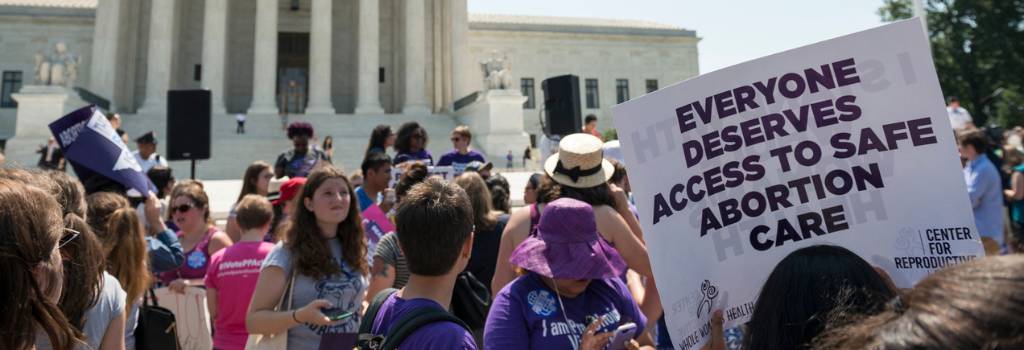
The Dangerous Hypocrisy of Anti-Abortion Rhetoric: Protecting Abortion Access as Essential Healthcare
The push to overturn Roe v Wade has been a decades-long process, largely successfully implemented in practice by states that have made it incredibly difficult for pregnant people to get the safe care they need. The “pro-life” rhetoric behind those who support banning abortions is simply false and utterly hypocritical, particularly in light of lax gun laws and disinterest in sustaining human life after birth in this country. Banning abortion is a poor health choice.
-

Reimagining How We Honor the People Behind Juneteenth and Pride Month
Many of us have probably never witnessed a transformative or authentic way to honor certain communities or holidays in the workplace. For the past decade, we’ve seen how companies have failed with “honoring” Pride month, and in the last few years, we’ve seen the same with Juneteenth. Whether we’re talking about Burger King’s ad or Walmart’s Juneteenth products, these ads and products are problematic and misaligned with direct requests from LGBTQIA+ and Black communities regarding human rights and justice.
-

Red Flags and Green Lights of Hiring a DEI Consultant
When hiring a DEI consultancy or vendor, it might seem overwhelming when trying to decide how to select your partner. The last few years have seen a huge increase in the number of individuals and companies who have entered into this space. While there are many highly qualified consultants and shops out there, even the most popular and competent organization might not necessarily be the best fit for your unique needs. Here at Inclusion Geeks we know that while our offerings are great, we’re not always the best solution for every interested client that comes our way.
-

When Death is Difficult to Talk About: Addressing Death, Dying and Grief in the Workplace
About a month ago, I was on a coaching call with a client who shared with me that a colleague of hers had recently died. I paused our agenda and took a moment to ask her how she was doing and how her team was handling the situation. Thirty minutes later, I had learned that her company has one of the most supportive grief support processes I had ever heard of in a workplace.