
-

Rethinking Thanksgiving 2023
Thanksgiving is this week in the United States. For the past few years, we’ve shared some resources and thoughts on why we should rethink Thanksgiving. This year, we revisit our annual opportunity to rethink what, how, and why we choose to celebrate this holiday season. I grew up celebrating Thanksgiving as a time to gather together with family and friends. As a young child, I was taught that pilgrims and Indians gathered together to share a meal on the ‘first Thanksgiving.’ There were pictures of smiling people and tables full of food.
-

Supporting your Global Workforce’s DEI Initiatives
Diversity, Equity, and Inclusion (DEI) have become integral aspects of organizational culture, reflecting the recognition that diverse perspectives and inclusive practices contribute to success. However, due to cultural, historical, and societal differences, implementing and emphasizing DEI practices for multi-national organizations can take additional time and effort. In this blog post, we’ll discuss some of the nuances of DEI practices from a global perspective, exploring how they manifest in different parts of the world. Cultural ContextOne of the critical factors influencing DEI practices is the cultural context of a country or region.
-

Overcoming Roadblocks to Inclusivity in Remote Workplaces
In our post-COVID world, some companies are beginning to move back operations to in-office work, while others have kicked brick-and-mortar buildings to the curb and stuck with remote working for the foreseeable future. However, remote working doesn’t eliminate the need to build and maintain inclusive work environments for everyone. Let’s go through the five most common problems that remote teams face when trying to keep an inclusive culture and how you can solve them. Communication barriers and lack of face-to-face interaction Remote work can lead to communication and collaboration issues.
-

7 Tips to Build a More Inclusive Workplace Culture
We often talk about fostering an inclusive workplace, but what does that really look like? An inclusive workplace culture ensures that every employee, regardless of their background or identity, feels welcome, valued, and empowered. But how do you create this type of environment? Embrace DiversityAn inclusive workplace culture starts with embracing diversity in all its forms. This means recruiting employees of different races, ethnicities, genders, sexual orientations, ages, abilities, and backgrounds. Encouraging a diverse workforce not only fosters creativity and innovation but also ensures that various perspectives are represented in decision-making processes.
-

8 Strategies for Effectively Gathering Employee Feedback on DEI Initiatives
A critical but often forgotten step in creating a more inclusive, equitable, and diverse workplace is measuring the effectiveness of DEI (diversity, equity, and inclusion) initiatives by gathering feedback from employees. Let’s explore some ways you can effectively collect and use employee feedback on your DEI initiatives. Create Safe and Inclusive SpacesBefore expecting honest and meaningful feedback, it’s important to ensure employees feel safe sharing their thoughts. Promote an open and inclusive environment where employees feel psychologically safe and can voice their opinions without fear of retribution or judgment.
-

Reflections on DEI Work in 2023
It’s been just over three and a half years since the advent of COVID, which upended just about every facet of our working and personal lives. That’s a long time, but it also feels like nearly nothing at all.
-
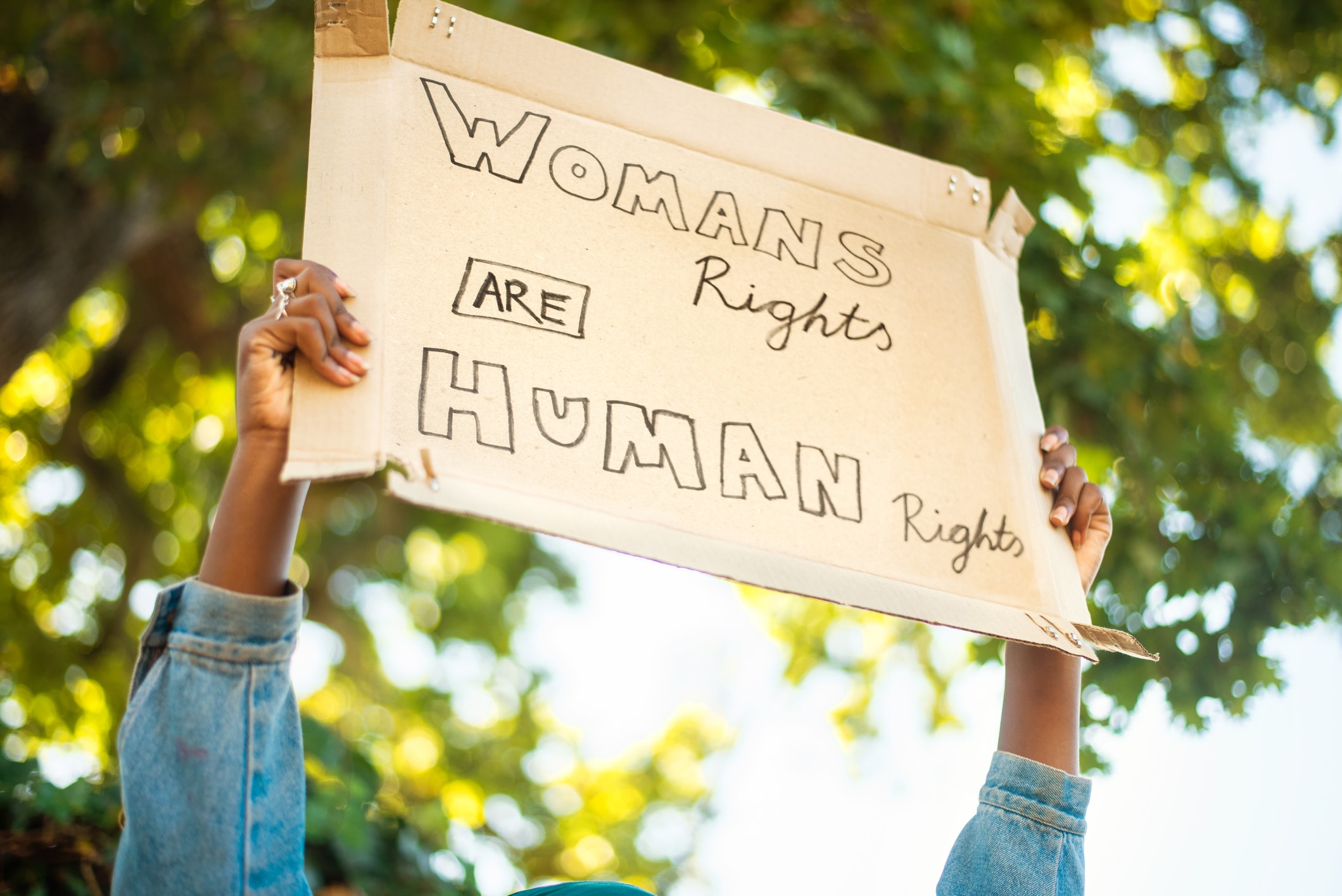
Demystifying Feminism: 8 Common Myths Debunked
Feminism is an ever-evolving, powerful social movement that has transformed societies and challenged long-standing gender inequity. Unfortunately, misconceptions and myths about feminism persist, often perpetuated by those who don’t fully understand its principles and goals. We’ll disprove eight common myths about feminism, shedding light on what this movement truly stands for. Myth 1: Feminism is anti-menOne of the most persistent myths about feminism is that it’s anti-men. In reality, feminism seeks gender equality, not female superiority. It encourages a more inclusive society where all genders are treated with respect and have equal opportunities.
-

Unlocking Inclusivity: 5 Must-Have Tech Tools for Remote Work
The COVID-19 pandemic led to millions of folks shifting to remote work, and though there has been a recent push to get more people back in the office, many have found that working remotely is a better fit for their individual needs. Black women report higher workplace satisfaction when they can work remotely, as it decreases the likelihood of suffering from microaggressions, racism, and sexism. Additionally, remote work has led to an increase in the employment of people with disabilities. As remote work becomes increasingly prevalent, the need for inclusive practices has never been more evident.
-

How to Create Lasting Impact through DEI Learning Journeys
At Inclusion Geeks, we understand that fostering an inclusive, diverse, and equitable workplace is not merely a goal but a journey. The path to achieving diversity, equity, and inclusion (DEI) is a dynamic and ever-evolving one, and it demands a deliberate commitment to learning and growth. That’s why we offer personalized professional development programs tailored to meet your specific training and development needs. The Power of Learning Journeys While one-off workshops can certainly raise awareness, they often fall short of delivering the sustained impact and transformation that a structured learning journey provides.
-

Understanding the Difference Between Affirmative Action, EEO, and DEI
This past summer’s ruling by SCOTUS against affirmative action has many people asking questions about what affirmative action is, how it differs from DEI (diversity, equity, and inclusion) and EEO (equal employment opportunity), and whether their DEI efforts are in jeopardy. While these concepts share a common goal of promoting fairness and reducing discrimination, their approaches and underlying principles differ. Let’s dive into the distinctions between DEI, affirmative action, and equal opportunity to better understand each concept and how they may impact your work.
-

How Can Companies Embrace Global Identity in the Workplace? CyberArk Edition
One of our favorite things about working with our corporate partners is being able to highlight the amazing work they do to create more inclusive workplaces. Saying that diversity, equity, and inclusion are at the center of the work they do is one thing; having practices and policies to support employees takes the work even further. Our newest corporate partner, CyberArk has created such meaningful ways to foster inclusion and diversity for their workforce. 1. Their CYBR Pride ERG.
-

11 Most Asked Questions About Emotional Intelligence at Work
Emotional intelligence, often abbreviated as EQ, is a crucial skill that can significantly impact your personal and professional life. In the workplace, it plays an important role in your ability to navigate complex interpersonal dynamics, make informed decisions, and lead effectively. Even though EQ has been around for a while, people tend to have questions about what is it, how to assess it personally and professionally, and how to cultivate it at work. So we’ve taken some of the most common questions and provided some quick answers. 1. How can I assess my own emotional intelligence?